

Dividends are simply distributions of profits, so prospective dividend stock investors should get to know a sector or industry before investing. This will increase your chances of making good bets on future prospects. It is hard enough to pay taxes once, but paying twice is just cruel. As a result, double taxation of dividend income might be frightening if you consider a portfolio of foreign equities.
How do investors choose between cash and stock dividends based on their goals?
Basically, stock dividends offer stocks, which don’t get taxed until the shareholder chooses to sell their shares. Regardless, taxation is always a serious matter, which is why shareholders should look further into it cash dividends and stock dividends for their particular jurisdiction so that they won’t make any mistakes. When a company issues stock dividends, it can increase shareholder value.
- Companies with not a lot of cash might choose stock dividends to save money.
- The only exception are dividends that are accrued in tax-advantaged retirement accounts like Roth IRAs.
- He is known for his pragmatic approach to fiscal policy and governance.
- The sheer range of cash dividends means that there can be a wide range of reasons why corporations choose to pay them out.
- In a stock dividend, shareholders are issued additional shares according to their current ownership stake.
Stock Dividends and Taxation: When is it Taxable?
The only exception are dividends that are accrued in tax-advantaged retirement accounts like Roth IRAs. Research, including studies by DeAngelo and DeAngelo and Ferris, Jayaraman, and Sabherwal, shows dividends’ big impact. How a company handles its dividends can greatly affect its value. The right dividend decisions can boost company value and shareholder wealth.

What are the implications of a Stock Dividend for Investors?
- Every single reason that a corporation can have for paying out a cash dividend can be applied to paying out a stock dividend as well.
- It may result from a windfall earnings, spin-off, or other corporate action that is seen as a one-off.
- Over the long term, this approach can create significant growth.
- The company issues the dividend from its existing cash balances.
- Again, in order to pay a cash dividend, a firm must have the necessary cash available, and the amount of cash on hand is not directly related to retained earnings.
- A good yield with a reasonable payout ratio suggests the company can support both dividends and growth.
When a company earns profits, the board of directors has the discretion to decide whether to distribute those earnings to shareholders in the form of dividends. Occasionally, a firm will issue a dividend in which the payment is in an asset other than cash. Non-cash dividends, which are called property dividends, are more likely to occur in private corporations than in publicly held ones. Cash dividends mean quick money for shareholders but also come with taxes.

Even someone with just one share would see a boost in their brokerage account of one-tenth (0.1) of a share. Imagine a corporation paying a 25% stock dividend to shareholders. This increases your total shares to 100, but your proportional ownership in the company doesn’t change. When seeking income from cash dividends, focus on companies with a history of consistent payouts and sound financial health, including favourable debt ratios and strong cash flows. The effect of dividends on stockholders’ equity is dictated by the type of dividend issued. When a company issues a dividend to its shareholders, how is sales tax calculated the value of that dividend is deducted from its retained earnings.
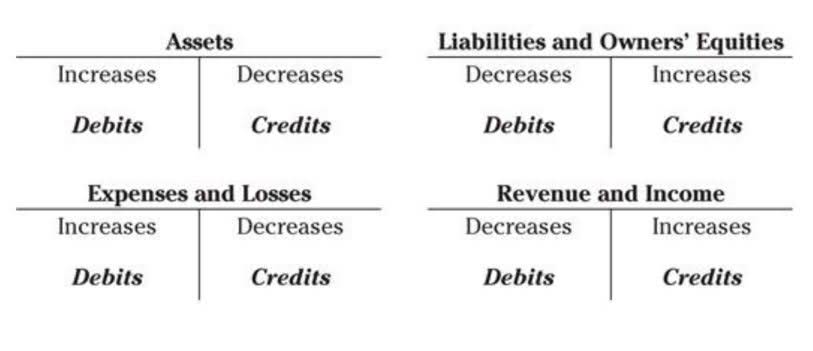
- Probably the most direct effect of cash dividends is that they draw on the company’s balance sheet.
- An investor who receives the stock dividend can hold onto it or sell it immediately on the open market at the current share price.
- In addition to reducing the corporation’s cash balance, it reduces the corporation’s retained earnings, which is part of its stockholders’ equity.
- These dividends are often utilized to reinvest profits within the business and to convey a positive message to the stock market and shareholders regarding the company’s future potential.
- They’ll only incur taxes when they sell their shares on the market at a gain.
Stock dividends can be good as they increase shareholder ownership and allow for cash preservation and reinvestment in growth. However, they may not provide immediate income and can dilute the value of existing shares if the company’s overall value doesn’t increase. However, cash dividends are better for investors who have shorter-term financial goals. For instance, a retiree may prefer cash dividends to supplement their income. Since share prices can go up or down, the value of the dividend will fluctuate. They’ll need to decide when to sell their shares and Partnership Accounting may incur a loss if the stock price falls.